Dental Implants
A dental implant is a prosthesis that interfaces with the bone of the jaw to support a dental prosthesis such as a crown, bridge, denture, or facial prosthesis, or to act as an orthodontic anchor.
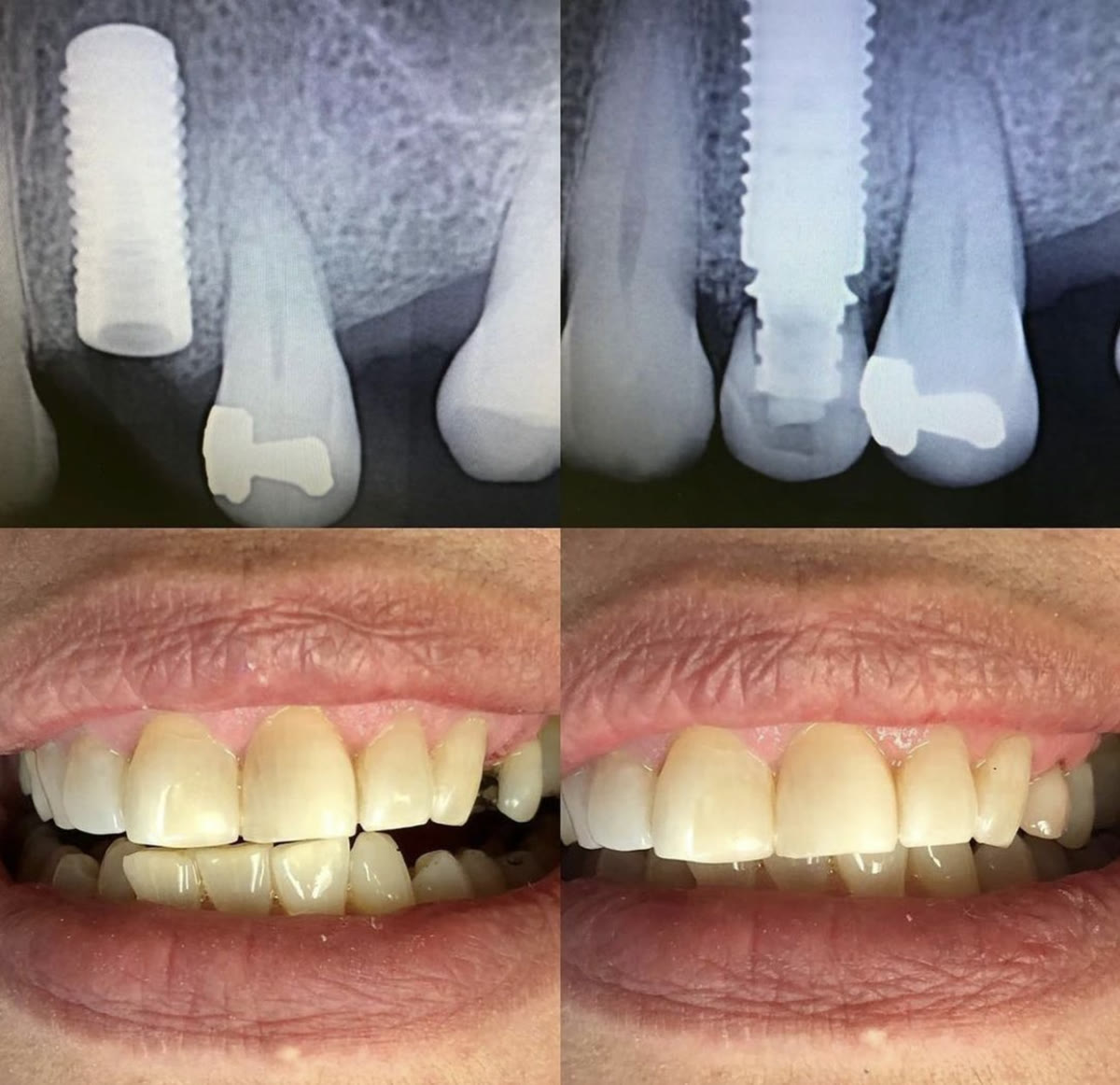
Your path to dental wellness starts now
Implant surgery entails extracting diseased or missing teeth, replacing the tooth roots with prosthetics, and affixing artificial teeth that closely resemble natural teeth in both appearance and function.




What to anticipate during treatment
Dental implant placement is often a series of outpatient procedures with recovery time in between. The entire process can take several months, mostly spent recovering and monitoring new bone growth.
Removing a damaged or diseased tooth to prepare the site for the implant.

Building up the jawbone when it isn't dense enough to support an implant.
Positioning the implant so it can begin to fuse with the surrounding jawbone.
Allowing time for the bone around the implant to heal and integrate securely.
Attaching the connector that will hold the new artificial tooth in place.
Completing the restoration with an artificial tooth that looks and functions like a natural one.
Your smile is your best accessory
A dental implant supports a crown, bridge, denture, or facial prosthesis, or can act as an orthodontic anchor — restoring function and appearance for the long term.
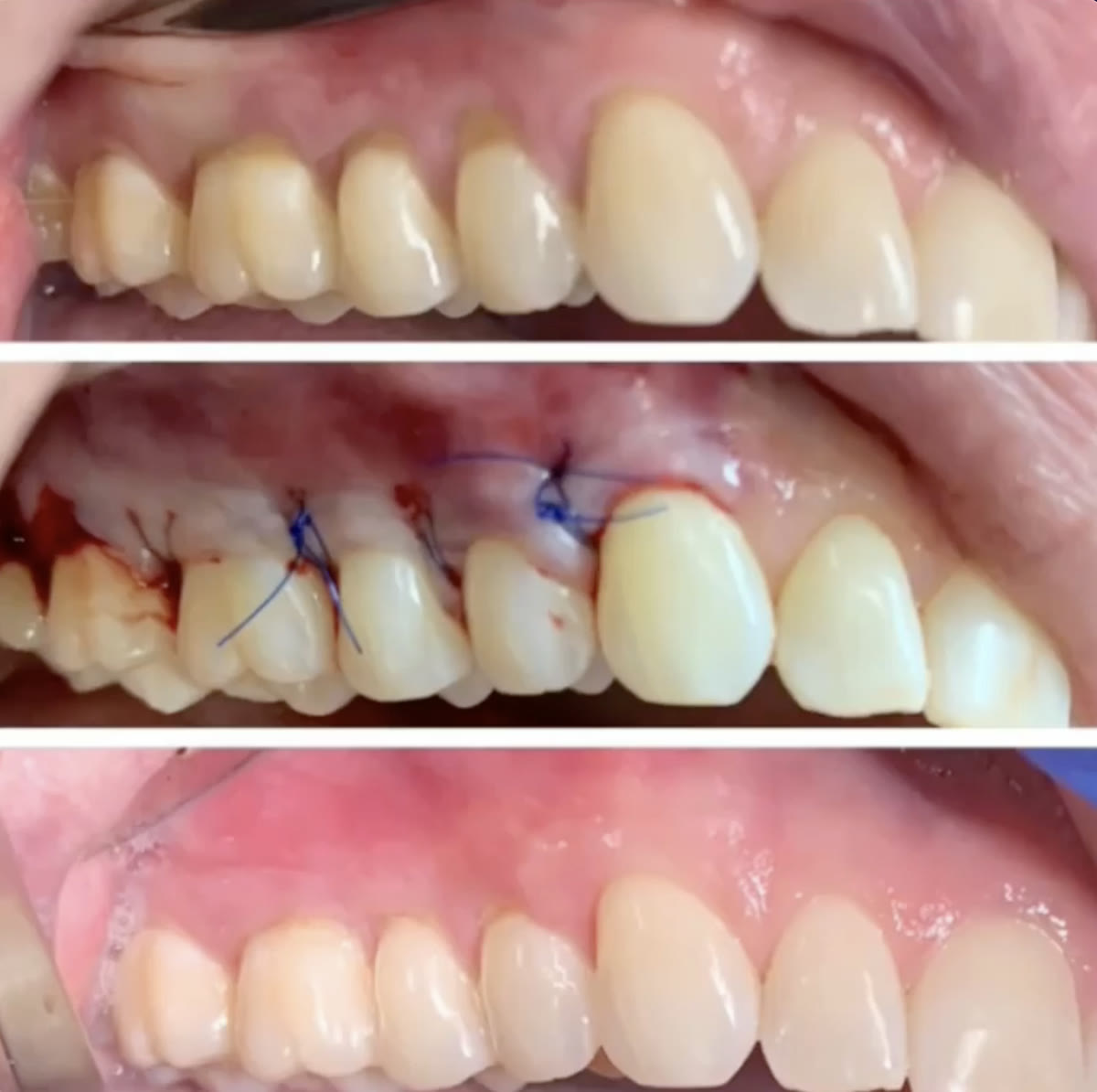
How implant surgery works
Extracting diseased or missing teeth, replacing the tooth roots with prosthetics, and affixing artificial teeth
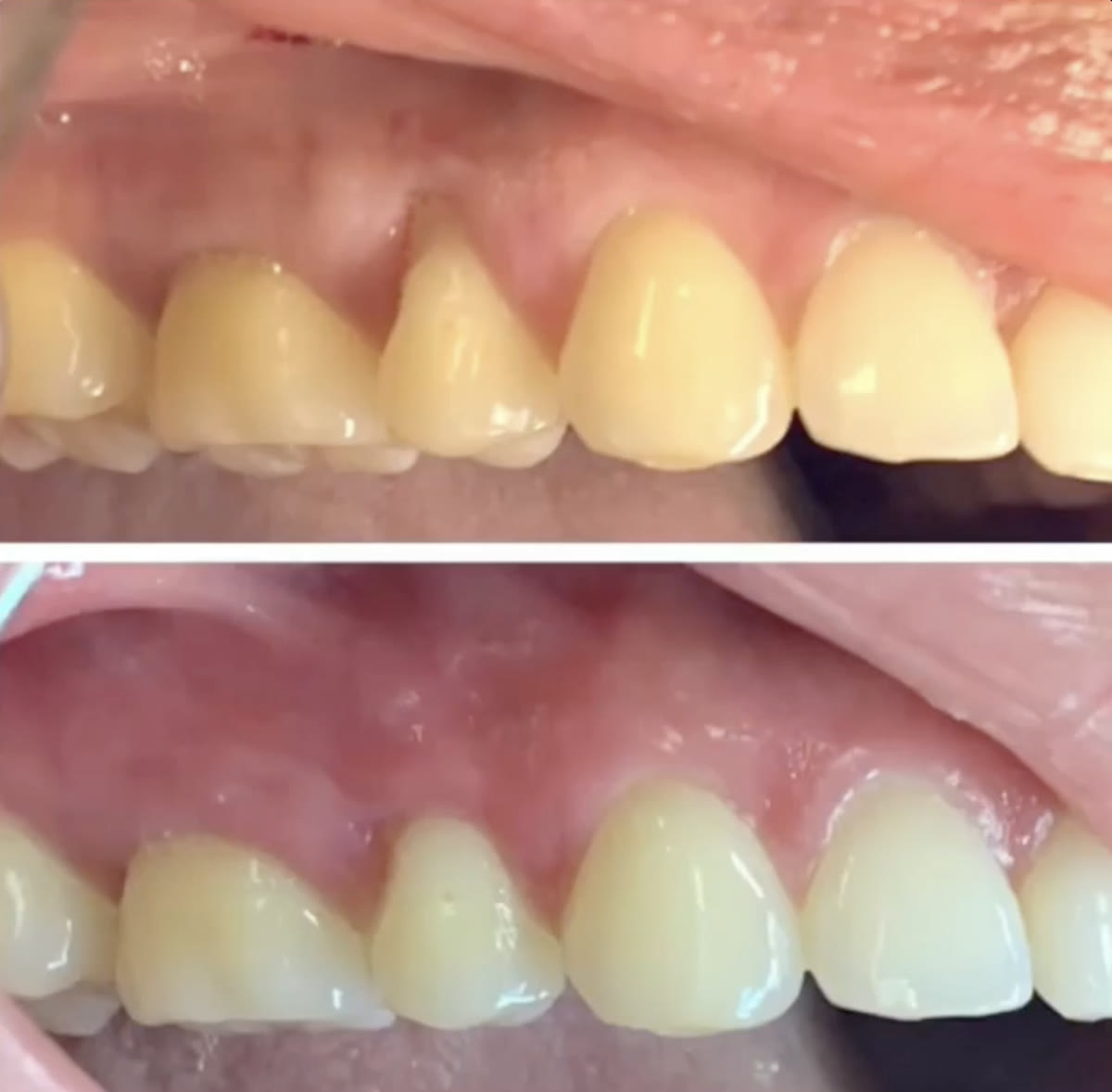
Care after your procedure
Swelling, bruising, soreness, and minor bleeding are common and typically ease with time, medication, and soft foods
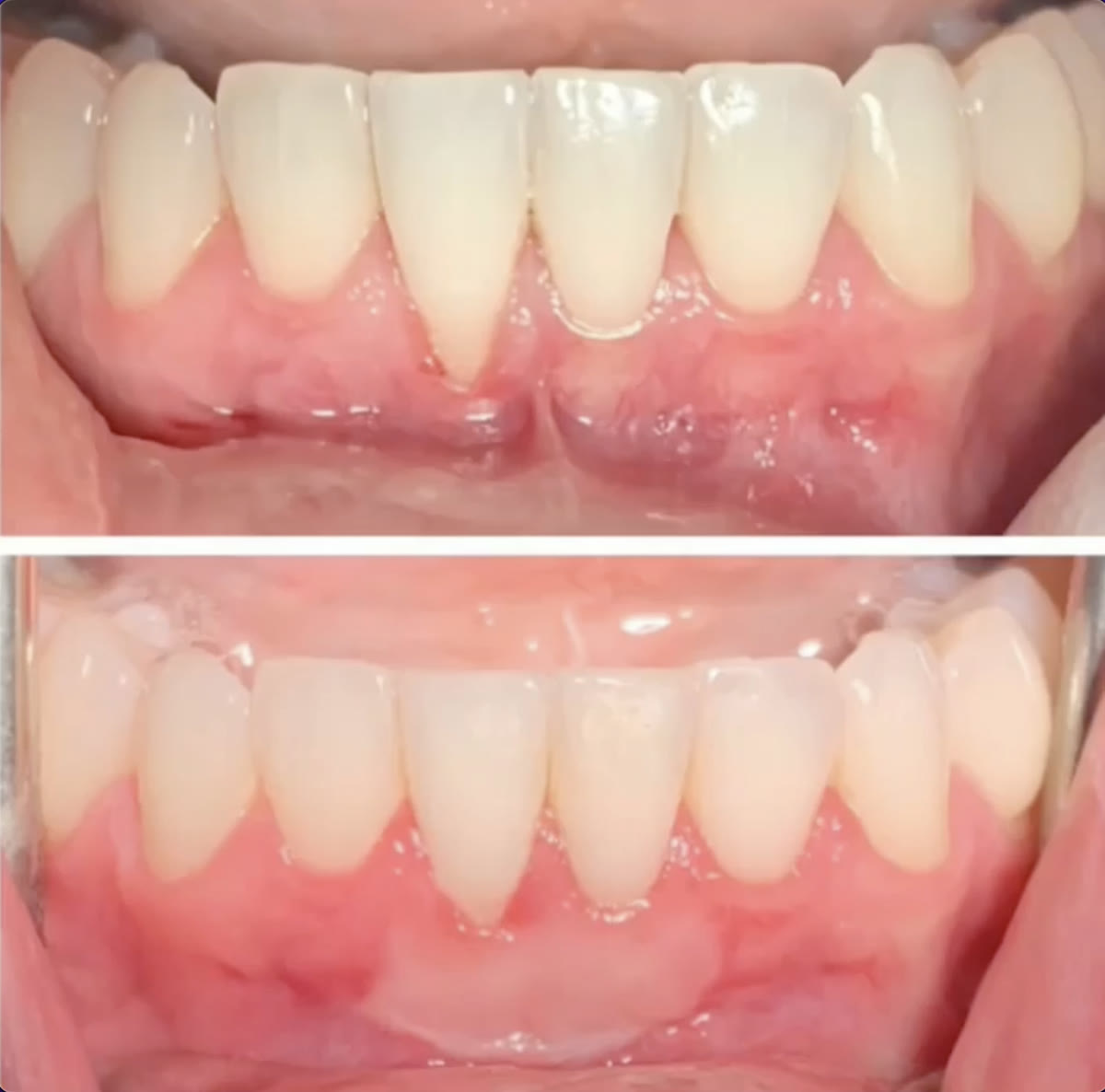
Reclaim your smile
Our traveling periodontists bring implant care directly to your dental office, so treatment stays close to home
Frequently asked questions
Answers to common questions about dental implant surgery and recovery.

A dental implant is a prosthesis that interfaces with the bone of the jaw to support a dental prosthesis such as a crown, bridge, denture, or facial prosthesis, or to act as an orthodontic anchor.
Implant surgery entails extracting diseased or missing teeth, replacing the tooth roots with prosthetics, and affixing artificial teeth that closely resemble natural teeth in both appearance and function. The kind of implant used and the health of the jawbone determine how the procedure is carried out, and multiple procedures may be involved.
Dental implant placement is often a series of outpatient procedures with recovery time in between — extracting a damaged tooth, preparing for a jawbone graft if needed, placing the implant, bone formation and repair, placement of abutments, and placement of artificial teeth. The entire process can take several months.
The main advantage of implants is that they provide reliable support for new teeth, which requires the bone around the implant to heal tightly — a process that can take a while. Most of the timeline is spent recovering and monitoring new bone growth.
Patients may experience common surgical discomforts such as swelling of the gums or face, bruising, soreness at the implant site, and minor bleeding. Painkillers or antibiotics may be prescribed, soft foods may be needed while the surgical site heals, and patients should call their provider if swelling or discomfort worsens.

Have questions about PPG?